

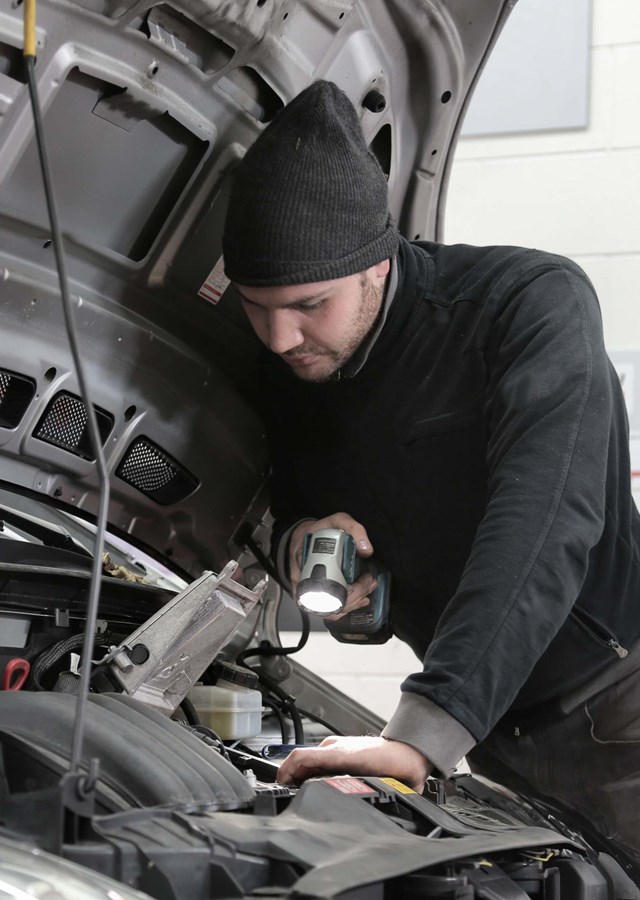
Struggling with loneliness at work? Here's what can help
You can be surrounded by colleagues all day and still feel completely on your own. If you've been dreading shifts, eating lunch alone by choice rather than preference, or going home most evenings without having had a proper conversation, you're probably experiencing loneliness at work - and it's far more common across the automotive trade than most people admit.
This isn't about being unfriendly or antisocial. Workplace loneliness has real causes, and there are practical things that help, whether you're on the shop floor, working from home, or the only person on your shift.
If you need to talk to someone right now, you can reach Ben's free, confidential helpline on 08081 311 333.
Why loneliness at work is so common in the automotive trade
Loneliness at work isn't really about how many people are around you, it's about whether any of the contact you have feels meaningful. There are a few things that make this especially hard to come by in automotive roles:
- Shift patterns that isolate you. Early starts, lates and weekend cover mean you're often working while everyone else, including colleagues on different shifts, is off. You can go days without overlapping with the same face twice
- Solo and field-based roles. Mobile mechanics, delivery drivers, and reps spend most of the day alone in a van or on the road, with brief, transactional contact rather than proper conversation
- A 'just get on with it' culture. The trade has traditionally valued toughness over talking. Admitting you feel lonely can feel like admitting you can't cope, so people say nothing instead
- Working from home, or in back-office and dealership admin roles. Fewer corridor chats, fewer people to grab a coffee with and video calls that end when the agenda does
- Being new, or being the only one. Starting at a new dealership or garage, or being the only person in your role at a smaller site can leave you without an obvious way 'in'
- Busy periods with no downtime. Ironically, being run off your feet can be just as isolating as having nothing to do. There's simply no time left for the conversations that build connection
- Being a small business owner. Small business owners can find themselves feeling isolated, as they may not have many staff, do a lot of the work themselves and feel they have to put on a 'front' for others.
None of these mean something's wrong, they are features of the job that make loneliness more likely, which is exactly why it's worth naming and addressing.
Signs loneliness at work might be affecting you
Loneliness at work doesn't always look like sadness. It can show up through changes in mood, motivation or behaviour rather than an obvious feeling of "I am lonely." Watch out for:
- Dreading shifts or workdays more than the work itself would explain
- Eating lunch alone, or avoiding the break room, even when you'd rather not
- Feeling like you have nothing in common with anyone at work
- Going through entire shifts with barely a real conversation
- Feeling invisible - like it wouldn't matter if you weren't there
- Losing motivation or enthusiasm for a job you used to enjoy
- Taking longer than usual to answer messages from colleagues, or avoiding them altogether
- Feeling flatter, more irritable or more anxious than usual once you clock off.
If several of these sound familiar, it's worth taking seriously. Loneliness at work has been linked to lower mood and higher stress, and left unaddressed, it can start to affect your wider mental health, not just how you feel on shift.
What can help right now
You don't need to overhaul your whole working life to start feeling less alone. Small steps tend to work better than forcing a big change:
- Talk to someone today. Ben's helpline is free, confidential and open 24/7 on 08081 311 333 - you don't need to be in a crisis to call
- Say one extra sentence. It doesn't need to be a full conversation, it could be asking a colleague how their weekend was, or commenting on a job you're both working near, which could open the door
- Use your breaks properly. If you usually eat in the van or at your bench, try the break room or canteen instead, even just once or twice a week
- Message someone outside work. If work itself feels isolating, staying connected to friends or family during the day, even a quick text, can take the edge off
- Name it to yourself. "I think I'm lonely at work and it's affecting how I feel" takes some of the weight out of it and makes it easier to act on.
For a fuller toolkit, our loneliness support page has more practical steps for feeling lonely or alone, whether that's at work or elsewhere in life.
Building connection for the longer term
These steps help you rebuild a sense of belonging at work over time:
- Find a recurring point of contact. A regular Friday coffee run, a five-a-side team with colleagues, or even a shared podcast you both follow - recurring, low-pressure contact builds relationships faster than occasional big conversations
- Say yes to things you'd normally skip. The Christmas do, the leaving drinks, the team lunch. Social gatherings like this can feel awkward to attend when you're already feeling disconnected, but they're often where real connections start
- Ask for a change if the isolation is structural. If your shift pattern or lone-working setup is the root cause, it's worth raising with your manager to see if something can be done to improve the situation. A rota tweak or a buddy system could make a real difference
- Build a life outside work too. If work can't easily provide connection right now, investing in friendships, hobbies and a community outside it takes some of the pressure off work to be your only source of connection and belonging
- Watch for social anxiety creeping in. The longer you avoid conversations with others, the more daunting they can start to feel. If that's happening to you, our help with social anxiety article has more tips for easing back in.
When loneliness at work starts affecting your mental health
Loneliness on its own is hard enough, but it doesn't always stay contained to working hours. If it's been going on for weeks or months and you're noticing low mood, constant worry, or you've stopped enjoying things outside work too, it may be tipping into something that needs more support. Loneliness and depression or anxiety can be linked so it's worth reading up on how the two connect. There's no shame in needing extra support to get through it - talking to your GP, a counsellor, or Ben is a sensible next step.
How Ben can help
You don't have to work out what the issue is and you don't have to be in crisis to reach out. If you're feeling down or starting to struggle, Ben offers free, confidential support for anyone in the automotive industry and their family, including:
- Our Helpline on 08081 311 333, for a listening ear
- Counselling and emotional support
- SilverCloud, our free digital mental health and wellbeing platform
- Practical guidance if you're not sure what kind of support is right for you.
Whatever's behind the loneliness - your shift pattern, a new job, working alone, or something harder to put your finger on - you can get help from Ben today, there's no waiting list.
Frequently asked questions
Why do I feel lonely at work even though I'm around people all day?
Loneliness is about the quality of connection, not how many people are nearby. If most of your contact at work is transactional - handovers, instructions, brief small talk - it's entirely possible to feel isolated in a busy workshop or dealership.
Is it normal to feel isolated working from home?
Yes, very. Remote and hybrid roles remove a lot of the incidental contact - corridor chats, shared breaks, arriving and leaving together - that used to happen without any effort. Feeling more disconnected working from home is one of the most common forms of workplace loneliness.
Can loneliness at work actually affect my mental health?
It can. Ongoing loneliness at work has been linked to lower mood, higher stress and, over time, a greater risk of anxiety and depression. It's worth taking seriously rather than assuming it's just part of the job.
What can I do if my shift pattern is the main cause?
Speak to your manager about whether a rota adjustment, a buddy system for lone workers, or overlapping shifts with the same colleagues is possible. If that's not an option right now, focus on the connection you can control - outside work, and in the moments you do overlap with colleagues.
Who can I talk to if I don't want to raise it with my employer?
Ben's helpline is free, confidential and completely separate from your employer - you can call 08081 311 333 any time, day or night, without it going anywhere near your workplace.
Do you need help? We’ve got your back.
If you need support with money, your mental health, or anything else - we've got your back.


Feeling lonely?
Loneliness is more common in the motor trade than people realise. See practical steps that can help right now, and how Ben can support you.
More about loneliness

Loneliness and depression
Loneliness and depression often go hand in hand, each one feeding the other. Here's how the two connect, and what can help.

Loneliness & communication
We’re encouraging people to make space for more meaningful conversations and stronger connections.

Top tips to tackle loneliness
There’s no magic cure to combat loneliness, but if you’re struggling and feeling alone, it’s important to work out why you feel this way and then take steps to change your life for the better

Tips for making long-lasting friendships
It’s important to have people in our lives who we truly connect with, but it’s not always easy to meet the right people, make a real connection and maintain friendships

The importance of our connections and social support
We’re all different and our social needs vary, but having a support network is an essential area for us to pay attention to, so we can look after our health and wellbeing

Help with social anxiety
Many people occasionally worry about social situations, but someone experiencing social anxiety can feel overly worried before, during and after them