


Not just for bodybuilders - The essential role of protein
Protein is far more than a muscle-building nutrient - it supports everything from immunity to blood sugar control, hormone production, and even mental health and wellbeing.
Understanding how to include the right amount and types of protein in your daily meals can help improve your energy, digestion, and long-term health.
What is protein and why does it matter?
When you eat protein, your body breaks it down into amino acids, which are known as the ‘building blocks’ used to repair and grow tissues. These include muscles (including your heart and digestive tract), ligaments, tendons, skin, hair, and nails.
There are 20 amino acids in total. Nine are ‘essential’, meaning your body can’t make them, so you need to get them from food. Our bodies can produce the other 11 amino acids, but illness and stress can affect this process.
Complete vs. incomplete proteins
Foods that contain all nine essential amino acids are called complete proteins. These include:
- Meat
- Fish
- Eggs
- Dairy
- Soya
- Quinoa
- Buckwheat
- Spirulina
Other plant-based sources, like beans, nuts, seeds, and grains, are incomplete proteins, meaning they lack one or more essential amino acids. But by combining them with other proteins such as rice, beans, hummus, and pita, they can become complete.
How much protein do you need?
The general guideline is 0.8 grams per kilogram of body weight. For example:
- A person weighing 70kg needs ~56g of protein a day, which is roughly two portions of meat/fish/5 eggs, or, if vegan, a cup of cooked Tempeh and a cup of cooked tofu.
But people’s protein needs vary:
- Active individuals or older adults: Aim for 1.2g/kg
- Muscle-building: Up to 1.6g/kg
Is there a risk of eating too much protein? Risks are minimal for healthy people, and any excess is usually converted to fat or used for energy. However, those with kidney conditions should follow medical advice on protein intake.
The hidden benefits of protein
- Keeps you fuller longer
Protein digests slowly, helping you feel full and satisfied between meals. This helps reduce snacking and supports weight management - Stabilises blood sugar
Pairing protein with carbohydrates slows digestion, leading to a gentler rise in blood glucose. This helps prevent insulin spikes and crashes, supporting steady energy and reducing cravings - Supports hormones and neurotransmitters
Amino acids are essential for serotonin, dopamine, and digestive enzymes, which are vital for mood, sleep, and metabolism - Boosts immunity
Antibodies and immune cells like T-cells rely on amino acids. Low protein intake can weaken your body’s natural defenses against illnesses - Fights age-related muscle loss
Protein digestion becomes less efficient as we age, but our protein needs increase. Older adults (especially over 65) should aim for 30g of protein per meal (e.g. a small chicken breast or large portion of Greek yogurt) to preserve strength and prevent becoming frail.
Quick practical tips for a protein-balanced diet
- Include a source of protein at every meal: Breakfast (eggs, yogurt), lunch (chicken, lentils), dinner (fish, tofu)
- Combine plant proteins for completeness: For example, beans + rice, peanut butter + whole grain bread
- Don’t over-rely on supplements: whole foods offer more nutrients and fibre
- Spread protein intake across the day: don’t cram all your protein intake into one meal.
Protein isn’t just for bodybuilders and athletes; it’s a daily essential for everyone. Protein is vital for body maintenance, immunity, sleep, aging well and keeping your body running smoothly. Whether you’re 25 or 75, getting enough high-quality protein is one of the simplest steps towards a healthier and more balanced diet.
Do you need help? We’ve got your back.
If you need support with money, your mental health, or anything else - we've got your back.


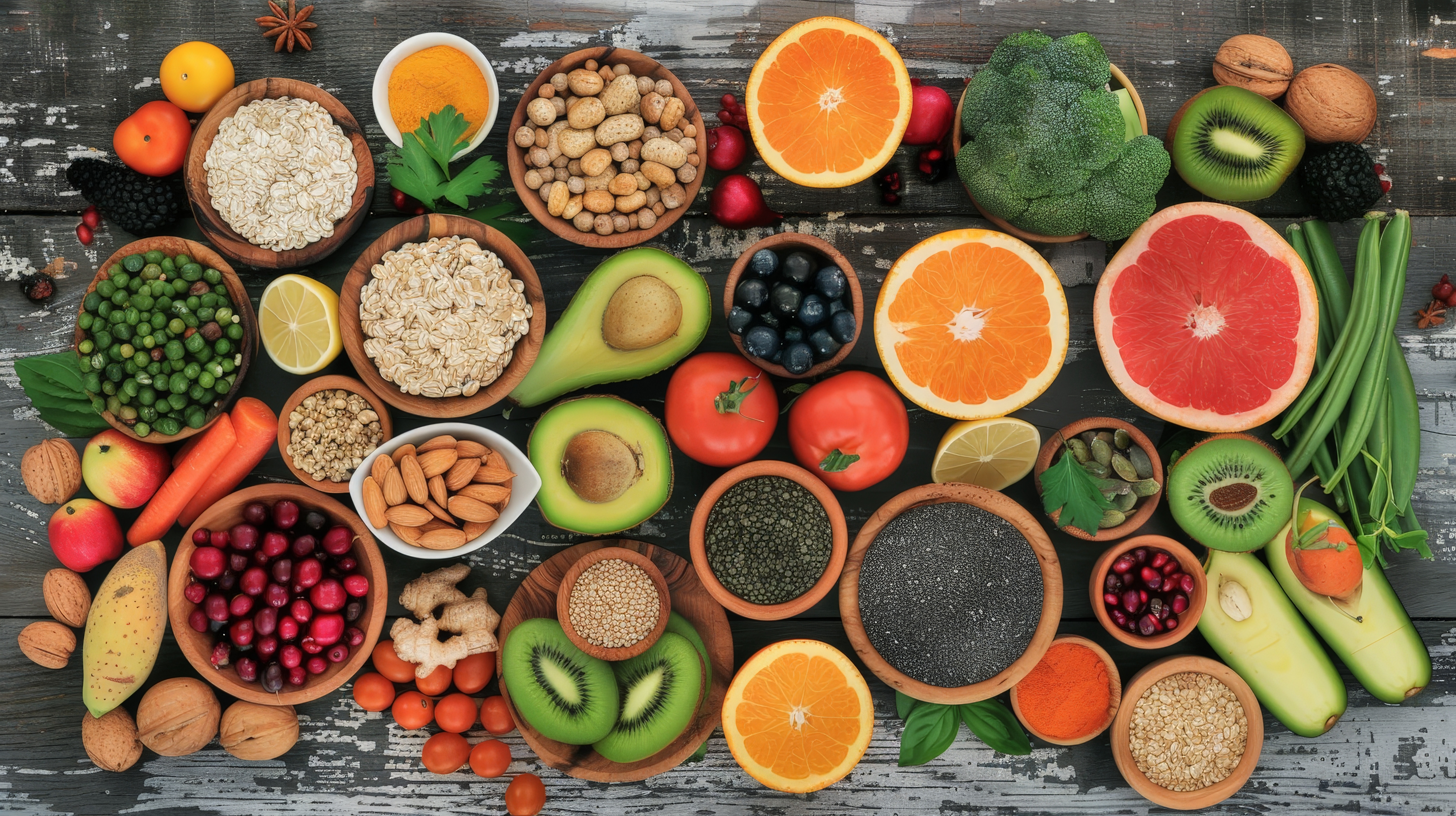
Fibre's vital role in health
Whilst fibre isn’t a nutrient, it’s still an important part of healthy eating, as it’s linked to lower risks of heart disease, type 2 diabetes and bowel cancer, and general digestive wellbeing.

Don't think you have to do everything on your own. Ben is there to help in many other ways, as well as with grants and funding.
More about Nutrition and Health & Wellbeing

Fibre's quiet role in healthy eating
Fibre is important for your health, but most people aren't getting enough.

Are you eating the right type of carbohydrates?
Learn about the different types of carbs and which ones will keep you healthy

Are fats bad for you?
Learn which fats are good for your health and which ones to avoid

How to eat well on a budget
Lots of people are concerned about the rising cost of their weekly food shop, and are looking at ways they might be able to save money, while still eating well. We've put together some tips to help
Food can fuel sleep
Did you know that what you eat and drink can also impact how you sleep? Find out more

Food for sport
Top tips to ensure you're ready, prepared, and fuelled to take on any sport or activity you like and perform at your best!

Daily diet habits for good health
What we choose to put on the end of our fork has a huge impact on how we look, feel and how resilient we are. So, let food be your medicine and look after your body by following these simple tips…

Healthy snacks on the go
We all lead busy lives and sometimes when we’re out on the road or in between jobs and chores, we need a quick pick-me-up to keep us going until our next meal. Here are some of our top healthy snacks you can enjoy on the go

Tasty & healthy 100 calorie snacks
Eating healthily doesn’t mean the only snacks you can have are plain Ryvitas or sticks of celery! Here are some of our favourite snacks you can easily make at home that are not only tasty, but are also healthy at 100 calories or less. Win win!

Keeping hydrated
Your body is mostly made up of water – nearly two thirds – so it’s important to keep hydrated. Here are our top tips to stay hydrated