

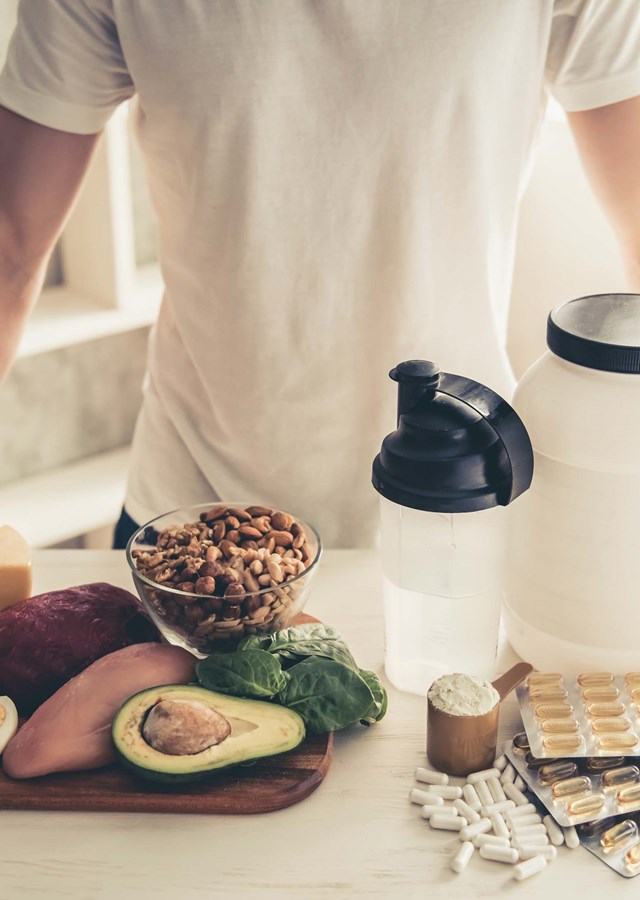
Food for sport
Good nutrition fuels your body for movement, supports recovery and helps you feel your best. Whether you’re heading to the gym, doing a physical job, training for an event, or simply being more active, what you eat and drink plays a big role in your performance and wellbeing.
A balanced, varied diet gives your body the vitamins, minerals, and energy it needs. When you’re more active, your body uses more fuel, so you may need extra energy and fluids to keep up with your training and help your body recover.
Why nutrition matters when you’re active
Eating well and staying hydrated can help you to:
- Maintain energy levels during exercise
- Improve performance in your chosen sport or activity
- Support muscle repair and recovery
- Reduce the risk of injury
- Strengthen your immune system
- Recover more effectively after training or physical work
Key nutrients for exercise
1. Food for energy: Carbohydrates
Carbohydrates are your body’s main energy source. They provide quick, accessible fuel for movement.
Examples:
- Wholegrain bread, oats, brown rice, pasta
- Potatoes and sweet potatoes
- Fruit
- Wholegrain cereals
- Beans and pulses
Why they matter:
Carbs top up your muscle glycogen stores, the energy your body uses during activity.
2. Food for muscles: Protein
Protein helps repair and rebuild your muscles after exercise. You don’t need large amounts, just regular, balanced portions throughout the day.
Examples:
- Chicken, turkey, lean mince
- Fish and seafood
- Eggs
- Beans, lentils, tofu, quinoa
- Low-fat dairy (yoghurt, milk, cottage cheese)
Tip:
Aim for a palm-sized portion of protein with each meal.
3. Healthy fats
Fats provide long-lasting energy and support your joints, hormones and brain function.
Examples:
- Avocado
- Nuts and seeds
- Olive or rapeseed oil
- Oily fish (salmon, sardines, mackerel)
4. Hydration
Even mild dehydration affects performance, concentration and recovery. If you’re sweating heavily, working in heat, or exercising for long periods, you may need more fluids.
Good options:
- Water
- Sugar-free squash
- Electrolyte drinks (for long-duration or high-sweat activities)
What to eat and drink before, during and after exercise
Here’s a simple guide to help you fuel your body properly at every stage:
Before sport or exercise
Eating the right foods beforehand gives you sustained energy and helps prevent fatigue.
1–3 hours before
Choose a meal or snack rich in carbohydrates, with some protein, and low in fat so it’s easy to digest.
Examples:
- Porridge with banana
- Chicken or tofu wrap
- Baked potato with beans
- Yoghurt with fruit and oats
- Wholegrain cereal
If you only have 30–60 minutes
Choose a light, quick carbohydrate source.
Examples:
- Banana
- Rice cakes
- A slice of toast with honey
- Fruit smoothie
Food and drink during exercise
For most people, water is enough if you’re active for less than an hour.
You may benefit from additional fuel if:
- Your session lasts longer than 60–90 minutes
- You're doing high-intensity exercise
- You're working physically for long periods (e.g. long shifts, heavy manual work)
Good mid-exercise options:
- A sports drink or electrolyte drink
- A banana
- Dried fruit
- Energy gels (for long-distance running/cycling)
Food after sport: Recovery nutrition
After exercise, your body needs carbohydrates to replace energy and protein to repair muscle.
Aim to eat within 1–2 hours of finishing.
Examples:
- Chicken, veggie or tofu stir fry with rice
- Omelette with wholegrain toast
- Yoghurt with berries and nuts
- Tuna or hummus wrap
- Cottage cheese and fruit
Quick guide: What to eat and when
|
Timing |
What your body needs |
Food ideas |
|
Before activity |
Carbs + light protein |
Porridge, banana, wrap, yoghurt |
|
During (over 60–90 mins) |
Fluids + quick energy |
Water, sports drinks, fruit, dried fruit |
|
After exercise |
Carbs + protein |
Stir fry, eggs + toast, yoghurt + fruit |
|
Throughout the day |
Balanced meals |
Lean protein, wholegrains, fruit & veg, healthy fats |
Tips for everyday exercise nutrition
- Eat regularly, skipping meals reduces energy and concentration
- Aim for colour, variety in fruit and veg boosts vitamin intake
- Choose wholegrains for sustained energy
- Don’t over-rely on supplements, most people can get plenty from food
- Listen to your hunger cues, your needs may increase with activity
- Hydrate across the day, not just around workouts
Need more help with nutrition?
Ben offers free, confidential support for anyone working in the automotive industry (or those dependent on someone who does).
If you need help with:
- Healthy eating
- Weight management
- Building confidence with exercise
- Lifestyle changes
Call our helpline free on 08081 311 333
Chat with us online
Mon–Fri, 8am–8pm
We’re here to support your physical and mental wellbeing.
Do you need help? We’ve got your back.
If you need support with money, your mental health, or anything else - we've got your back.


Take care of your wellbeing with SilverCloud
Get free, confidential access to online programmes that help you manage stress, sleep, and mental health at your own pace.

Don't think you have to do everything on your own. Ben is there to help in many other ways, as well as with grants and funding.
More on nutrition

Understand protein's vital role in keeping you healthy
From helping to manage weight, to supporting immunity and hormones, understand the importance of protein in your diet

Fibre's quiet role in healthy eating
Fibre is important for your health, but most people aren't getting enough.

Are you eating the right type of carbohydrates?
Learn about the different types of carbs and which ones will keep you healthy

Are fats bad for you?
Learn which fats are good for your health and which ones to avoid

How to eat well on a budget
Lots of people are concerned about the rising cost of their weekly food shop, and are looking at ways they might be able to save money, while still eating well. We've put together some tips to help
Food can fuel sleep
Did you know that what you eat and drink can also impact how you sleep? Find out more

Daily diet habits for good health
What we choose to put on the end of our fork has a huge impact on how we look, feel and how resilient we are. So, let food be your medicine and look after your body by following these simple tips…

Healthy snacks on the go
We all lead busy lives and sometimes when we’re out on the road or in between jobs and chores, we need a quick pick-me-up to keep us going until our next meal. Here are some of our top healthy snacks you can enjoy on the go

Tasty & healthy 100 calorie snacks
Eating healthily doesn’t mean the only snacks you can have are plain Ryvitas or sticks of celery! Here are some of our favourite snacks you can easily make at home that are not only tasty, but are also healthy at 100 calories or less. Win win!
Keeping hydrated
Your body is mostly made up of water – nearly two thirds – so it’s important to keep hydrated. Here are our top tips to stay hydrated