


Fibre's vital role in health
Fibre may not be a nutrient, but it’s one of the most important components of a healthy diet. Research links high fibre intake to lower risks of heart disease, type 2 diabetes, bowel cancer, and improved digestive health.
Yet, most people don’t get enough. This article explains why fibre matters, how it supports your health, and simple ways to include more in your daily meals.
Why is fibre so important?
Fibre plays a crucial role in maintaining a healthy digestive system. It feeds the ‘good bacteria’ in your gut, which helps control inflammation, boosts your immune system, and reduces the risk of colon cancer. Fibre also slows digestion, which helps prevent blood sugar spikes after meals - making it especially beneficial for people managing diabetes or insulin resistance.
Unlike other carbohydrates, fibre isn’t absorbed by the body. Instead, it passes through your digestive system, providing bulk and supporting regular bowel movements. A daily fibre intake of 30 grams is recommended, but many people fall short. If you’re not having at least one bowel movement a day, it might be a sign you need more fibre.
The two types of fibre and their benefits
Soluble fibre
Soluble fibre dissolves in water and forms a gel-like substance in your gut. It’s found in foods like oats, rye, fruit, vegetables, beans, and peas. This type of fibre helps lower cholesterol, eases constipation, and stabilises blood sugar levels. To get the most benefit, make sure to drink plenty of water when eating soluble fibre.
Insoluble fibre
Insoluble fibre doesn’t dissolve in water. Instead, it adds bulk to your stools, helping food pass more quickly through your digestive system. You’ll find it in whole grains, nuts, seeds, fruits, and leafy greens. It’s particularly useful for preventing constipation and promoting regularity.
Easy ways to add more fibre to your diet
You don’t need to overhaul your diet to boost your fibre intake. Small, simple swaps can make a big difference:
- Choose whole grains: Replace white bread, rice, and pasta with wholegrain or brown versions. These contain more fibre and nutrients, keeping you fuller for longer.
- Snack smart: Opt for vegetables, fruit, or popcorn instead of sugary snacks. An avocado, for example, provides about a third of your daily fibre needs and pairs well with toast, salads, or eggs.
- Add nuts and seeds: Sprinkle flax or chia seeds on your breakfast, yogurt, or desserts. They’re packed with fibre and healthy fats.
- Include legumes: Lentils, chickpeas, and beans are versatile and fibre-rich. Add them to soups, stews, salads, or sauces for an easy fibre boost.
Key takeaways
- Fibre supports digestive health, heart health, and blood sugar control.
- Aim for 30 grams of fibre per day to maintain regular bowel movements and overall well-being.
- Soluble fibre helps lower cholesterol and stabilise blood sugar, while insoluble fibre promotes regularity.
- Simple swaps - like choosing whole grains, adding seeds to meals, and snacking on fruit - can significantly increase your fibre intake.
Ready to improve your fibre intake?
Start with one small change this week, like swapping white rice for brown or adding chia seeds to your morning smoothie. Your digestive system - and overall health - will thank you!
Do you need help? We’ve got your back.
If you need support with money, your mental health, or anything else - we've got your back.



The essential role of protein
Protein is far more than a muscle-building nutrient - it supports everything from immunity to blood sugar control, hormone production, and even mental health and wellbeing.
More on nutrition

Understand protein's vital role in keeping you healthy
From helping to manage weight, to supporting immunity and hormones, understand the importance of protein in your diet

Are you eating the right type of carbohydrates?
Learn about the different types of carbs and which ones will keep you healthy

Are fats bad for you?
Learn which fats are good for your health and which ones to avoid

How to eat well on a budget
Lots of people are concerned about the rising cost of their weekly food shop, and are looking at ways they might be able to save money, while still eating well. We've put together some tips to help
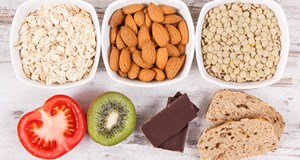
Food can fuel sleep
Did you know that what you eat and drink can also impact how you sleep? Find out more

Food for sport
Top tips to ensure you're ready, prepared, and fuelled to take on any sport or activity you like and perform at your best!

Daily diet habits for good health
What we choose to put on the end of our fork has a huge impact on how we look, feel and how resilient we are. So, let food be your medicine and look after your body by following these simple tips…

Healthy snacks on the go
We all lead busy lives and sometimes when we’re out on the road or in between jobs and chores, we need a quick pick-me-up to keep us going until our next meal. Here are some of our top healthy snacks you can enjoy on the go

Tasty & healthy 100 calorie snacks
Eating healthily doesn’t mean the only snacks you can have are plain Ryvitas or sticks of celery! Here are some of our favourite snacks you can easily make at home that are not only tasty, but are also healthy at 100 calories or less. Win win!

Keeping hydrated
Your body is mostly made up of water – nearly two thirds – so it’s important to keep hydrated. Here are our top tips to stay hydrated