


Are carbohydrates good for you?
Carbohydrates and sugar
Carbohydrates provide us with energy. The carbohydrates we eat, such as bread, pasta, potatoes, are broken down during digestion to their simplest form – glucose, which is then absorbed into the blood stream.
Whilst carbohydrates should be included in your diet, it’s important to choose healthier options whenever possible. Opt for wholegrain and wholefoods whenever possible which take longer to digest and enter the blood stream slowly which provides long lasting energy without slumps.
Some carbohydrates, such as sugar, are broken down and absorbed very quickly, causing glucose and insulin spikes and then energy slumps. These are called simple, high GI or fast releasing carbohydrates and you should aim to minimise these in your diet.
If you’re unsure of what foods are healthier carbohydrates, look at the labels. These tell you the amount of total carbohydrates and the amount of sugars – aim for low levels of sugar as much as possible.
You have around 5g (a teaspoon’s worth) of sugar in your blood stream at any time. Anything above this needs to be used in exercise or it will be converted to fat. Consider the humble chocolate digestive – a single one of these biscuits will double the sugar in your blood, and, if it’s not used for energy, this will be converted to fat.
Learning to manage your sugar intake is the most important step towards healthy eating. Sugar has a big role in the development of illness and disease, including:
- Weight gain
- Insulin resistance and Type 2 Diabetes
- High cholesterol and triglycerides
- Chronic inflammation and inflammatory conditions
- Hormone dysregulation – affecting insulin, cortisol, sex hormones
- Digestive issues – high sugar feeds the ‘bad bacteria’ in our gut
- Mental health and mood as blood sugar and hormone fluctuate
- Cancer cells thrive in high sugar environments.
If you’re looking to improve your health, cutting down on sugar in your diet is the first and most important step.
One last area to be careful of in your diet is fructose. Whilst this is naturally found in fruits and vegetables, these don’t have a large effect on blood sugar or glucose levels, so are not cause for concern. There is, however, a processed version, called high-fructose corn syrups which are used for sweetening foods and drinks, which is becoming a larger part of many diets. This has been linked to obesity, type 2 diabetes, fatty liver disease, inflammation and increased cardiovascular disease risk. To limit this in your diet, reduce the amount of sweetened drinks, baked goods and processed foods, or check the labels and ingredients list where it will be listed.
More on nutrition

Understand protein's vital role in keeping you healthy
From helping to manage weight, to supporting immunity and hormones, understand the importance of protein in your diet

Fibre's quiet role in healthy eating
Fibre is important for your health, but most people aren't getting enough.

Are fats bad for you?
Learn which fats are good for your health and which ones to avoid

How to eat well on a budget
Lots of people are concerned about the rising cost of their weekly food shop, and are looking at ways they might be able to save money, while still eating well. We've put together some tips to help
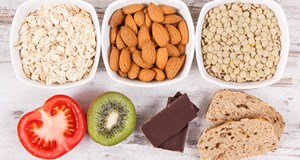
Food can fuel sleep
Did you know that what you eat and drink can also impact how you sleep? Find out more

Food for sport
Top tips to ensure you're ready, prepared, and fuelled to take on any sport or activity you like and perform at your best!

Daily diet habits for good health
What we choose to put on the end of our fork has a huge impact on how we look, feel and how resilient we are. So, let food be your medicine and look after your body by following these simple tips…
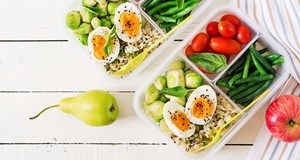
Healthy snacks on the go
We all lead busy lives and sometimes when we’re out on the road or in between jobs and chores, we need a quick pick-me-up to keep us going until our next meal. Here are some of our top healthy snacks you can enjoy on the go

Tasty & healthy 100 calorie snacks
Eating healthily doesn’t mean the only snacks you can have are plain Ryvitas or sticks of celery! Here are some of our favourite snacks you can easily make at home that are not only tasty, but are also healthy at 100 calories or less. Win win!

Keeping hydrated
Your body is mostly made up of water – nearly two thirds – so it’s important to keep hydrated. Here are our top tips to stay hydrated