Let's get physical
How to increase your physical activity
Being physically active is one of the most positive things you can do for both your body and your mind. Regular movement helps you stay fit, strong and mobile, but just as importantly, it can reduce stress, boost your mood and improve your overall wellbeing.
When we move our bodies, we release chemicals such as endorphins and serotonin, which help lift mood, ease anxiety and improve our ability to cope with pressure. Even gentle activity can make a real difference, especially during times of stress, change or low motivation.
The most important thing to remember is this: Physical activity doesn’t have to mean intense workouts or pushing yourself to exhaustion. Small, manageable amounts of movement, done regularly, really do add up.
How much physical activity do I need?

According to current UK guidelines, adults are encouraged to aim for:
- At least 150 minutes of moderate activity each week (such as brisk walking, swimming or cycling)
or - 75 minutes of vigorous activity (such as running or fast-paced fitness classes)
Alongside this, it’s recommended to include:
- Strength exercises at least two days a week
- Light movement throughout the day (especially if you sit for long periods)
This might sound like a lot, but it can be broken down into short, realistic chunks.
Making activity fit around your life
If you’re feeling tired, busy, stressed, or dealing with physical limitations, starting or increasing activity can feel daunting. That’s completely normal. The key is to focus on what works for you, not what you feel you “should” be doing.
Helpful ways to get started:
- Start small, even 5–10 minutes is beneficial
- Choose activities you enjoy
- Build movement into daily life rather than setting unrealistic goals
- Listen to your body and go at your own pace
- Be kind to yourself, consistency matters more than intensity
Exercise ideas for different levels & preferences
There are lots of ways to be active, whether you’re just starting out or looking to try something new.
|
Gentle & Low-Impact Options |
Walking (outdoors or indoors) |
|
Moderate Activities |
Brisk walking |
|
More Vigorous Options |
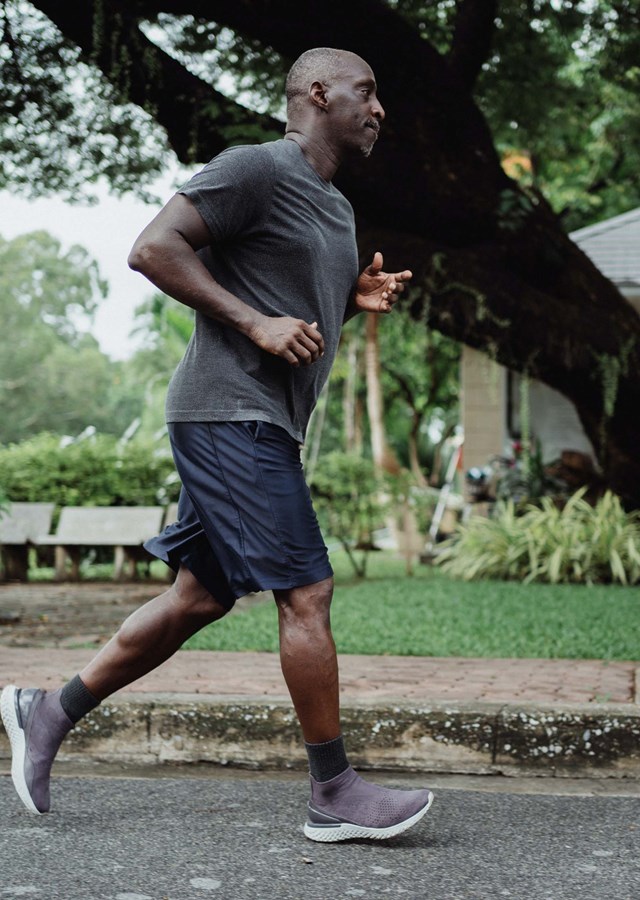
Running or jogging |
Online & app-based exercise resources

If you prefer exercising at home or following guided routines, these trusted resources offer a wide range of options for all abilities:
- NHS Fitness Studio: Gym-free workouts, including 10-minute routines, beginner programs and chair-based exercises
- NHS Couch to 5K: A popular, structured plan to help beginners start running safely and gradually
- Joe Wicks (The Body Coach): Motivational, family-friendly workouts with a variety of intensity levels
- Zombies, Run!: A running game that adds motivation and fun to your walks or runs
- Walking Britain, Ramblers & Walk4Life: Tools to help you find walking routes near you
- Barry’s Bootcamp: Full-body workouts for those looking for higher-intensity exercise
- Centr App (Chris Hemsworth): Offers workout programs, mindfulness and nutrition (free trials available at times)
Choosing the right activity for you
|
If you want to… |
Try this |
|
Boost your mood |
Walking, dancing, yoga |
|
Reduce stress |
Gentle stretching, swimming, breathing-led movement |
|
Improve strength |
Bodyweight exercises, resistance bands |
|
Increase fitness |
Brisk walking, cycling, jogging |
|
Stay active with limitations |
Chair exercises, seated workouts |
|
Keep motivated |
Exercise apps, classes, workout challenges |
Staying motivated & building a routine

Sticking with physical activity can be challenging, especially during busy or stressful periods. These tips may help:
- Set realistic, achievable goals
- Schedule activity like any other appointment
- Track progress gently (minutes moved, not calories burned)
- Exercise with a friend or family member
- Celebrate effort, not perfection
If you miss a day (or a week), don’t be hard on yourself. Simply start again when you can.
A final thought
Increasing your physical activity is about progress, not pressure. Whether it’s a short daily walk, a couple of home workouts a week, or simply moving more throughout the day, it all counts.
If you enjoy it, you’re far more likely to keep going. And if it supports your mental wellbeing as well as your physical health, that’s a powerful step towards feeling better overall.
If you’re dealing with stress, health concerns, low energy or difficult life circumstances, remember: you’re not alone, and support is available.
Do you need help? We’ve got your back.
If you need support with money, your mental health, or anything else - we've got your back.



Food for sport
Tips to help you get ready, prepared, and fuelled to take on any sport or activity you like and perform at your best!

Take care of your wellbeing with SilverCloud
Get free, confidential access to online programmes that help you manage stress, sleep, and mental health at your own pace.

Don't think you have to do everything on your own. Ben is there to help in many other ways, as well as with grants and funding.
More on physical health

What do our mind and body have in common with a car?
Like your car, your body needs good care to keep it running well

Cheap ways to get fit
Getting fit and staying active doesn’t have to involve shelling out for expensive classes or gym memberships