


How to eat well on a budget
Why eating healthy is important
What we eat has a powerful effect on our health and wellbeing. A balanced diet gives our bodies the nutrients they need to function at their best, helping us stay energised, maintain a healthy weight, support our immune system, and even improve our mood.
But with the cost of food rising, eating well can feel harder to achieve. The good news is that it’s still possible to enjoy healthy, tasty meals without overspending. With a bit of planning and creativity, your budget can stretch much further than you might think.
If the cost of living is putting pressure on your overall finances, visit Ben's money and debt support hub for budgeting tools, benefits guidance, and free one-to-one support.
10 tips to help you eat Healthily, whatever your budget
1. Set a clear food budget
Start by understanding how much money you can realistically spend on food each week. Add up your income and regular outgoings (like rent, bills, and transport), and decide what’s left for groceries.
Tip:
Use Ben’s free budgeting tool to help you track spending and stay on top of your finances.
For broader help with managing your money, our guide to managing your money covers budgeting, saving and building financial resilience.
2. Plan your weekly meals
Meal planning is one of the most effective ways to save money. Check what’s already in your fridge, freezer, and cupboards, then build your weekly plan around those items.
Write a shopping list before heading to the store, and stick to it. This helps you avoid impulse buys and food waste.
Bonus:
Planning ahead also reduces the temptation to grab an expensive takeaway when you’re short on time.
3. Cook from scratch
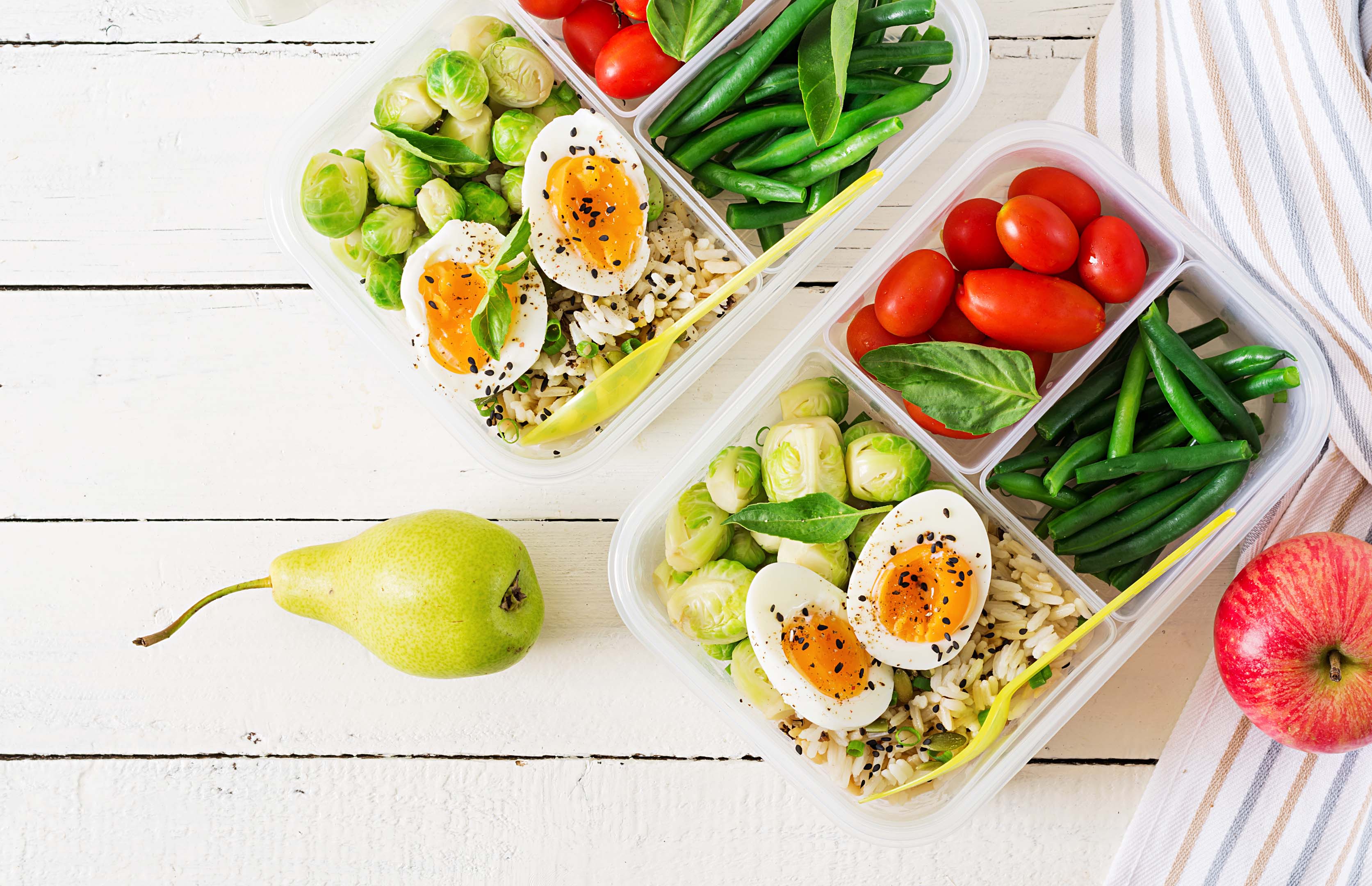
Cooking at home gives you more control over ingredients and portion sizes, and it’s usually much cheaper than ready meals or takeaways.
Simple recipes like soups, pasta dishes, stir-fries, and curries can be made for pennies per portion.
The NHS Change4Life website has plenty of ideas, as does BBC Good Food. Go on, try something new tonight!
4. Batch cook and freeze
If you’re cooking one meal, it’s often just as easy to make double and freeze the rest. Batch cooking saves both time and money, and it’s a lifesaver on busy days.
Label your containers with the date and contents so you know what’s in your freezer.
|
Batch-cook ideas |
Freeze well? |
Approx. cost per portion |
|
Chilli con carne / veggie chilli |
✅ |
£1.20 |
|
Homemade soups |
✅ |
£0.80 |
|
Pasta bakes |
✅ |
£1.00 |
|
Lentil curries / dhal |
✅ |
£0.90 |
5. Try different brands
Many supermarket own-brand or “value range” items are made by the same suppliers as the big-name versions — just with simpler packaging. Switching even a few items (like tinned tomatoes, pasta, or oats) can save £5–£10 a week without compromising on quality.
|
Item |
Branded price |
Own brand price |
Annual savings (approx.) |
|
Porridge oats |
£2.50 |
£0.90 |
£83 |
|
Tinned tomatoes |
£1.00 |
£0.40 |
£31 |
|
Baked beans |
£1.20 |
£0.50 |
£36 |
6. Shop seasonally and locally
Fruit and vegetables are often cheaper (and tastier) when they’re in season. Buying from local markets or farm shops near closing time can also mean good discounts.
Example:
- Spring: spinach, carrots, asparagus
- Summer: courgettes, berries, tomatoes
- Autumn: squash, apples, leeks
- Winter: cabbage, parsnips, potatoes
7. Make smart swaps
Small changes can make a big difference to your health and wallet.
|
Swap this |
For this |
Why it helps |
|
Sugary cereal |
Porridge oats |
Cheaper and keeps you full longer |
|
White rice |
Brown rice or barley |
More fibre, same price |
|
Meat-heavy meals |
Beans, lentils, chickpeas |
Cheaper protein, heart-healthy |
|
Fizzy drinks |
Water with fruit slices |
Free, refreshing, sugar-free |
8. Use your freezer and store cupboard wisely
Frozen fruit and vegetables are just as nutritious as fresh, and they last longer. Canned beans, tomatoes, and fish (like tuna or sardines) are great for quick, healthy meals.
Keep a small stock of these staples and you’ll always be able to make something filling and balanced.
9. Reduce food waste
Use leftovers creatively, yesterday’s roast veg can become today’s soup or curry. Remember: “best before” dates are about quality, not safety. Trust your senses and store food properly to make it last longer.
Tip:
Websites like Love Food Hate Waste have excellent storage and recipe advice.
10. Eat more plant-based meals
Meat and fish can be some of the most expensive parts of a food shop.
Try introducing one or two vegetarian meals a week. Dishes like lentil curry, bean chilli, or vegetable stir-fry are packed with nutrients and low-cost ingredients.
For more ways to save money at home, see our tips to reduce your living costs.
Final thoughts
Eating well on a budget is about making small, manageable changes, planning ahead, wasting less, and being open to new foods. Over time, these habits can save you money, improve your health, and even make mealtimes more enjoyable.
If you're struggling to make ends meet
Eating well on a budget is easier when your overall finances are in order. If money is tight and food costs are just one part of a bigger picture, Ben can help. From benefits advice and debt support to budgeting tools and one-to-one financial guidance - all free and confidential for automotive industry workers and their families.
Visit our money and debt support hub or call 08081 311 333 (Mon–Fri, 8am–8pm).
Healthy snacks on the go
Eat well while on the go
Do you need help? We’ve got your back.
If you need support with money, your mental health, or anything else - we've got your back.


More about nutrition

Understand protein's vital role in keeping you healthy
From helping to manage weight, to supporting immunity and hormones, understand the importance of protein in your diet

Fibre's quiet role in healthy eating
Fibre is important for your health, but most people aren't getting enough.

Are you eating the right type of carbohydrates?
Learn about the different types of carbs and which ones will keep you healthy

Are fats bad for you?
Learn which fats are good for your health and which ones to avoid

Food can fuel sleep
Did you know that what you eat and drink can also impact how you sleep? Find out more

Food for sport
Top tips to ensure you're ready, prepared, and fuelled to take on any sport or activity you like and perform at your best!

Daily diet habits for good health
What we choose to put on the end of our fork has a huge impact on how we look, feel and how resilient we are. So, let food be your medicine and look after your body by following these simple tips…

Healthy snacks on the go
We all lead busy lives and sometimes when we’re out on the road or in between jobs and chores, we need a quick pick-me-up to keep us going until our next meal. Here are some of our top healthy snacks you can enjoy on the go

Tasty & healthy 100 calorie snacks
Eating healthily doesn’t mean the only snacks you can have are plain Ryvitas or sticks of celery! Here are some of our favourite snacks you can easily make at home that are not only tasty, but are also healthy at 100 calories or less. Win win!

Keeping hydrated
Your body is mostly made up of water – nearly two thirds – so it’s important to keep hydrated. Here are our top tips to stay hydrated
More on Managing Money

Money and mental health
Poor mental health can make earning and managing money harder. And worrying about money can affect how you look after your mental health. Check out our tips to help you start a conversation about money today.

Cost of living
We’ve pulled together some tips, advice and tools to help you cut costs at home and save your hard-earned cash.

How to manage your money
Money worries are one of the biggest reasons why people ask us for support. To help, we’ve pulled together lots of tips, advice and tools to help you manage your money and minimise your risk of getting into debt.

Dealing With Debt: How To Get Out Of Debt
Debt and money worries can feel overwhelming, but you're not alone, and there’s always a path forward. Whether it’s credit card debt, student loans or personal loans, taking control of your finances is possible. With the right approach and a clear plan, you can reduce your stress and make steady progress to addressing your debt.

Reduce your living costs
Tips, advice and tools to help you reduce your living costs and make big savings. If you're struggling to make ends meet - we can help

At risk or loss of employment
If you're worried that you might lose your job or you have been made redundant, we're here for you. Find out how we can help

Online pension guide
It’s never too early or too late to think about pensions. That’s why we’ve put together some information to help you plan your pension, whatever stage of life you’re at

Everything you need to know about pensions in under 7 minutes
Pensions can appear complicated, but with our handy guide you'll know everything you need to pension-wise in no time

Homelessness
There are around 380,000 people who are known as the ‘hidden homeless’. This is people who are facing risk of eviction, sofa-surfing at friends and family, or living in unsatisfactory conditions. Read more

Universal Credit
Everything you need to know about Universal credit - who is eligible, how to claim, & notify of a change in circumstances