


Nutrition and Health & Wellbeing
What is healthy eating?
Most of us understand that what we eat affects our health and how we feel, but poor diet and lifestyle can also cause health conditions and diseases too.
With so much conflicting advice around nutrition, it’s sometimes hard to know what to do for the best, and where to make meaningful changes to improve your health.
We’ll help you understand the most important areas to focus on in your diet to help you feel your best. Here are some tips to get you started…
Limit sugar in your diet
Sugar has a huge impact on your health and is the most important area to make some changes in. Sugar is broken down to glucose through your digestive system and then absorbed into the blood stream. Our bodies maintain a level of glucose to be used for energy, but is only this 5grams (a teaspoon) and above this it will be converted to fat.
Sugar has many other negative effects on our health, including large blood sugar swings which may cause energy slumps and affect our hormones. Sugar feeds the ‘bad bacteria’ in your gut which can cause inflammation and disrupt our immune system. It also drives chronic inflammation within the body which may worsen inflammatory diseases and is linked to certain cancers. It can even increase the risk of depression.
The recommended maximum amount of sugar per day is 30g, so be mindful of how much sugar is sneaking its way into your diet by doing the following:
-
Limit carbs
Limit the amount of carbohydrates in your diet. Try to increase the amount of vegetables and protein in your meals and keep the carbohydrates limited to a ¼ of the food on your plateCheck labels
All labels show the amount of carbohydrates, and how much are. If it’s many times over the 5g needed for maintaining blood glucose levels, limit your intake or try to find healthier alternatives. For example, a chocolate Hobnob is around 6g of sugar, a serving of Crunchy Nut cornflakes has around 11g, and a can of Coke contains nearly 40g. So, you can see what these everyday foods are doing to your glucose levels, and how easy it is to put on weight, or develop diseases. -
Make healthy swaps
Swap high sugar foods for healthier alternatives such as fruit, nuts, popcorn, no added sugar squash and low sugar options, vegetables and hummus. You can add bananas, nut butters or cream cheese to toast instead of sugary jams. -
Whole and unprocessed
Whenever possible, eat foods that are whole, unprocessed, and as close to their natural form as possible. Choose natural yoghurt over sweetened varieties, whole fruit rather than juices and high fibre cereals such as Weetabix, instead of sugary ones such as Crunchy Nut cornflakes or Coco Pops. -
Add protein
Add protein to carbohydrate-based meals. This helps to slow down the digestion and absorption of sugars, which keeps blood sugar levels more constant, and reduces energy crashes.
You can find out more about carbohydrates here.
Boost your fibre intake
Fibre isn’t classed as a nutrient but it has big benefits for your health. The recommendation is to consume 30 grams of fibre per day minimum, and most people aren’t getting enough.
Fibre is found in plant foods and helps to maintain a healthy digestive system as well as reduce the likelihood of certain cancers. In addition to helping regulate bowel movements, it provides fuel for the good bacteria in your gut which helps regulate your immune system.
As fibre comes from plant foods, these tend to be lower in calories but higher in essential micronutrients such as folate, protective phytochemicals, antioxidants, potassium and calcium, which all support good health.
Add foods like wholegrains (oats, wheat), legumes (beans and lentils), fruit, vegetables, nuts and seeds into your diet whenever possible. Choose unprocessed versions of these foods and keep the skin on fruit to boost your fibre intake.
Find out more about fibre, here.
Limit processed foods
Processed foods have been altered from their natural state. This is to give them a longer shelf life or it’s for convenience, such as cutting, chopping, canning or by adding ingredients such as salt, sugar and vegetable oil. These can often provide benefits, helping you eat foods that might otherwise be difficult or time-consuming to prepare, such as chopped vegetables, canned beans, yoghurt or hummus.
Ultra-processed foods (UPFs) are made using industrial ingredients you wouldn’t typically use at home, such as hydrogenated or trans fats, high-fructose corn syrup, flavour enhancers, and preservatives. These foods often look very different from their original, natural form.
UPFs are made to be very tasty, moreish, and convenient, and they now make up more than half of many people’s daily calorie intake. However, if eaten regularly, they have significant health risks. A high intake of UPFs is linked to obesity, type 2 diabetes, cardiovascular disease, certain cancers, and even depression.
To understand if there are UPFs in your food, look at the ingredients list and if there are items in there that you wouldn’t have in your kitchen, it’s likely to be an unhealthy additive. Apps like Yuka are useful to scan products to see how healthy they are and if there are any additives.
Include protein in your meals
Protein provides the building blocks for your body – for muscles, hormones, and neurotransmitters, and it is an important part of a balanced, healthy diet.
Protein should be included as part of every meal. It helps to slow down digestion which will help you feel fuller for longer, and it doesn’t affect blood sugar or trigger insulin. Protein helps to balance energy levels throughout the day, reducing that afternoon slump.
Protein is found in meat, fish, eggs but also many plant sources such as nuts and seeds, beans and pulses. Aim to eat a minimum of 50g of protein each day to avoid deficiency, but for maximum health, if you are active and as you age, increase this to around 70g per day.
Find out more about protein, here.
Nutrition advice can sometimes feel overwhelming, but it doesn’t have to be complicated. To summarise, focus on eating a wide variety of whole, minimally processed foods and limiting sugar. Aim to include good sources of protein, keep refined carbohydrates in moderation, and fill your plate with as many different vegetables as you can.
Small, consistent changes can make a big difference. Start by introducing these habits into your daily routine, and over time your body and mind will feel the benefits.
More about Nutrition and Health & Wellbeing

Understand protein's vital role in keeping you healthy
From helping to manage weight, to supporting immunity and hormones, understand the importance of protein in your diet

Fibre's quiet role in healthy eating
Fibre is important for your health, but most people aren't getting enough.

Are you eating the right type of carbohydrates?
Learn about the different types of carbs and which ones will keep you healthy

Are fats bad for you?
Learn which fats are good for your health and which ones to avoid

How to eat well on a budget
Lots of people are concerned about the rising cost of their weekly food shop, and are looking at ways they might be able to save money, while still eating well. We've put together some tips to help
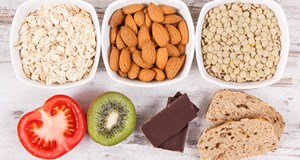
Food can fuel sleep
Did you know that what you eat and drink can also impact how you sleep? Find out more

Food for sport
Top tips to ensure you're ready, prepared, and fuelled to take on any sport or activity you like and perform at your best!

Daily diet habits for good health
What we choose to put on the end of our fork has a huge impact on how we look, feel and how resilient we are. So, let food be your medicine and look after your body by following these simple tips…

Healthy snacks on the go
We all lead busy lives and sometimes when we’re out on the road or in between jobs and chores, we need a quick pick-me-up to keep us going until our next meal. Here are some of our top healthy snacks you can enjoy on the go

Tasty & healthy 100 calorie snacks
Eating healthily doesn’t mean the only snacks you can have are plain Ryvitas or sticks of celery! Here are some of our favourite snacks you can easily make at home that are not only tasty, but are also healthy at 100 calories or less. Win win!