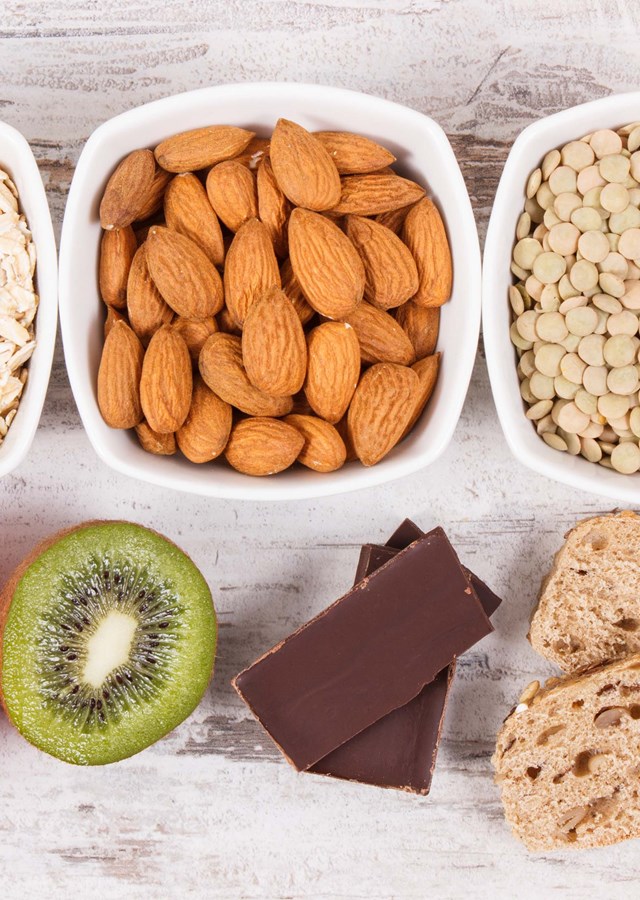
Food can fuel sleep
How nutrition affects sleep quality
The link between diet and sleep
Sleep is one of the most important foundations of health, just like diet, hydration, and exercise. Good sleep supports your mental wellbeing, memory, mood, and immune function. Yet many people don’t realise that what you eat and drink throughout the day can have a significant impact on how well you sleep at night.
Your diet influences the production of key sleep hormones like melatonin and serotonin, as well as minerals such as magnesium and calcium, which help the body relax. Some foods encourage deeper, more restorative sleep, while others like caffeine, alcohol, and heavy meals, can disrupt your natural sleep rhythm.
Why food affects sleep
1. Nutrients that promote better sleep
- Melatonin – known as the sleep hormone, helps regulate your body clock and signals when it’s time to rest.
- Tryptophan – an amino acid that your body uses to make serotonin and melatonin.
- Magnesium – helps relax muscles and calm the nervous system.
- Calcium – supports melatonin production and helps regulate muscle contractions.
- Antioxidants – reduce inflammation and oxidative stress, both of which can interfere with restful sleep.
2. Timing matters
Eating too close to bedtime can lead to discomfort or indigestion, especially if meals are high in fat, sugar, or spice. Aim to eat 2–3 hours before bed to give your body time to digest, allowing sleep-enhancing nutrients to work effectively.
10 Foods and drinks that can help you sleep better
|
Food/Drink |
Key sleep nutrients |
How it helps |
Best way to enjoy |
|
Almonds |
Magnesium, Melatonin |
Helps relax muscles and regulate sleep hormones |
A small handful before bed, or almond butter on wholegrain crackers |
|
Turkey |
Tryptophan, Protein |
Boosts melatonin production and promotes tiredness |
Include in an early-evening meal with vegetables |
|
Chamomile Tea |
Antioxidants, Apigenin |
Reduces anxiety and supports relaxation |
Sip a warm cup 30–60 mins before bedtime |
|
Kiwi |
Serotonin, Antioxidants |
Improves sleep onset and duration |
Enjoy one or two fresh kiwis after dinner |
|
Cherries (or Tart Cherry Juice) |
Melatonin |
Helps regulate your internal sleep-wake cycle |
Drink unsweetened tart cherry juice or snack on fresh cherries |
|
Bananas |
Magnesium, Potassium, Vitamin B6 |
Relaxes muscles and helps the body produce serotonin |
Eat one banana with a spoonful of nut butter |
|
Oats |
Complex carbs, Melatonin |
Supports steady blood sugar and melatonin release |
A small bowl of warm porridge or overnight oats |
|
Warm Milk (or Fortified Alternatives) |
Calcium, Tryptophan |
Encourages melatonin and promotes calm |
Heat and sip slowly before bed |
|
Leafy Greens (Spinach, Kale) |
Magnesium, Calcium |
Reduces muscle tension and aids relaxation |
Add to dinner or blend into a smoothie |
|
Fatty Fish (Salmon, Tuna, Mackerel) |
Omega-3s, Vitamin D |
Helps regulate serotonin levels |
Include in a balanced dinner a few times per week |
Foods and drinks that can disrupt sleep
|
Avoid before bed |
Why it affects sleep |
Healthier alternative |
|
Caffeine (coffee, cola, energy drinks, chocolate) |
Stimulates the nervous system and delays melatonin |
Herbal teas or decaf alternatives |
|
Alcohol |
Can make you drowsy but disrupts deep sleep cycles |
Sparkling water with fruit or herbal tea |
|
Heavy or spicy meals |
Can cause heartburn or indigestion |
Light evening meals with lean proteins and vegetables |
|
Sugary snacks |
Cause blood sugar spikes and crashes |
Try a banana, yogurt, or small handful of nuts instead |
Building a sleep-friendly eating routine
To improve your sleep quality, think of your diet as part of your 24-hour wellness cycle. Here are a few extra tips:
1. Eat balanced meals during the day
Include protein, fibre, healthy fats, and complex carbohydrates to keep blood sugar stable and avoid evening cravings.
2. Stay hydrated — but time it right
Dehydration can make you feel sluggish, but drinking too much water late at night can interrupt sleep. Try to finish most of your fluids at least one hour before bed.
3. Cut caffeine after midday
Caffeine can stay in your system for up to eight hours. Switch to decaf tea, fruit infusions, or water after lunch.
4. Pair food with good sleep habits
Nutrition is only one piece of the puzzle. Combine healthy eating with a consistent bedtime, relaxing evening routine, and a calm sleep environment.
Example evening routine for better sleep
|
Time |
Habit |
Why It Helps |
|
6:30–7:00 pm |
Eat a light, balanced dinner |
Gives your body time to digest |
|
8:30 pm |
Sip chamomile tea or warm milk |
Signals to your body that it’s time to wind down |
|
9:00 pm |
Avoid screens and bright lights |
Helps melatonin rise naturally |
|
9:30 pm |
Try gentle stretches or breathing exercises |
Reduces tension and prepares your body for rest |
|
10:00 pm |
Lights out |
Aim for 7–9 hours of uninterrupted sleep |
The bottom line
What you eat can have a powerful impact on how well you sleep. A nutrient-rich diet that includes magnesium, tryptophan, and melatonin-rich foods can help you fall asleep faster, stay asleep longer, and wake feeling more refreshed.
Good nutrition and good sleep go hand in hand, both are vital for energy, mood, and long-term health. Start by making small, mindful changes to your meals and bedtime habits, and you’ll likely notice the difference in just a few nights.
Need more support?
If stress, diet, or sleep problems are affecting your wellbeing, we’re here to help. Call us on 08081 311 333 or chat with us online for free, confidential support.
You don’t have to tackle sleepless nights alone — Ben’s got your back.
Do you need help? We’ve got your back.
If you need support with money, your mental health, or anything else - we've got your back.



A guide to improving your sleep
Sleep is not just rest, it’s a foundation for your health and wellbeing.

Don't think you have to do everything on your own. Ben is there to help in many other ways, as well as with grants and funding.

Sometimes, we all need a healthy snack to keep us going
More about nutrition

Understand protein's vital role in keeping you healthy
From helping to manage weight, to supporting immunity and hormones, understand the importance of protein in your diet

Fibre's quiet role in healthy eating
Fibre is important for your health, but most people aren't getting enough.

Are you eating the right type of carbohydrates?
Learn about the different types of carbs and which ones will keep you healthy

Are fats bad for you?
Learn which fats are good for your health and which ones to avoid

How to eat well on a budget
Lots of people are concerned about the rising cost of their weekly food shop, and are looking at ways they might be able to save money, while still eating well. We've put together some tips to help
Food for sport
Top tips to ensure you're ready, prepared, and fuelled to take on any sport or activity you like and perform at your best!

Daily diet habits for good health
What we choose to put on the end of our fork has a huge impact on how we look, feel and how resilient we are. So, let food be your medicine and look after your body by following these simple tips…

Healthy snacks on the go
We all lead busy lives and sometimes when we’re out on the road or in between jobs and chores, we need a quick pick-me-up to keep us going until our next meal. Here are some of our top healthy snacks you can enjoy on the go

Tasty & healthy 100 calorie snacks
Eating healthily doesn’t mean the only snacks you can have are plain Ryvitas or sticks of celery! Here are some of our favourite snacks you can easily make at home that are not only tasty, but are also healthy at 100 calories or less. Win win!

Keeping hydrated
Your body is mostly made up of water – nearly two thirds – so it’s important to keep hydrated. Here are our top tips to stay hydrated