


Are carbohydrates good for you?
Carbohydrates and sugar: How to make healthier choices
Did you know that the average person consumes twice the recommended amount of sugar daily? While carbohydrates are essential for energy, not all carbs are equal. Excess sugar and refined carbohydrates can lead to weight gain, diabetes, and other health issues. This article will help you understand how to choose healthier carbs, recognise the risks of excess sugar, and make simple, sustainable changes to your diet.
What are carbohydrates?
Carbohydrates are the body’s main source of energy. When you eat foods like bread, pasta, or potatoes, your body breaks them down into glucose, which fuels your cells. However, the type of carbohydrate you eat makes a big difference.
Healthy carbs, such as whole grains, fruits, and vegetables, digest slowly. This provides steady energy and helps you feel full for longer. On the other hand, refined carbs—like white bread, pastries, and sugary snacks—digest quickly, causing spikes in blood sugar followed by energy crashes.
Why healthy carbs matter
Choosing the right carbohydrates can help you avoid energy slumps and maintain a healthy weight. Whole foods, such as brown rice, quinoa, and wholemeal bread, release energy gradually. This keeps your blood sugar stable and reduces cravings for unhealthy snacks.
In contrast, foods high in refined sugars—such as sweets, cakes, and sugary drinks—can lead to rapid blood sugar spikes. Over time, this increases the risk of weight gain, insulin resistance, and chronic diseases like type 2 diabetes.
The hidden dangers of excess sugar
Sugar isn’t just empty calories - it plays a significant role in the development of serious health conditions. Consuming too much sugar can contribute to:
- Weight gain and obesity, as excess sugar is stored as fat.
- Insulin resistance, which can lead to type 2 diabetes.
- High cholesterol and triglycerides, increasing the risk of heart disease.
- Chronic inflammation, which is linked to conditions like arthritis and fatty liver disease.
- Mood swings and mental health issues, as blood sugar fluctuations affect hormones like cortisol and serotonin.
Did you know? Your bloodstream contains only about 5 grams of sugar (one teaspoon) at any time. When you consume more than this - such as eating a single chocolate biscuit - your body either burns the excess sugar for energy or stores it as fat.
The truth about fructose
Fructose is a natural sugar found in fruits and vegetables, and in these forms, it’s not a cause for concern. However, high-fructose corn syrup (HFCS), a processed sweetener added to many foods and drinks, is a different story.
HFCS has been linked to obesity, type 2 diabetes, fatty liver disease, and an increased risk of heart disease. To reduce your intake, limit sweetened drinks, baked goods, and processed snacks. Always check food labels - HFCS is often hidden under names like "corn syrup" or "glucose-fructose syrup."
Simple ways to reduce sugar in your diet
You don’t need to eliminate sugar completely - just make smarter choices. Here are a few practical tips:
Start by reading food labels. Look for products with less than 5 grams of sugar per 100 grams. Swap sugary snacks for whole foods like nuts, seeds, or fresh fruit. Instead of reaching for a soda, try infused water or herbal tea. Cooking at home also gives you more control over the sugar in your meals.
Small changes can add up. For example, replacing a daily can of soda with sparkling water can cut your sugar intake by 35 grams per day - that’s over 12 kilograms of sugar per year!
Key takeaways
Choosing healthier carbohydrates and reducing sugar intake doesn’t have to be complicated. Focus on whole, unprocessed foods, and be mindful of hidden sugars in packaged products. By making gradual changes, you can improve your energy levels, maintain a healthy weight, and reduce your risk of chronic diseases.
Ready to make a change?
Start by picking one small habit to adjust this week - whether it’s swapping sugary drinks for water or choosing whole-grain bread instead of white. Share your progress with friends or on social media to stay motivated!
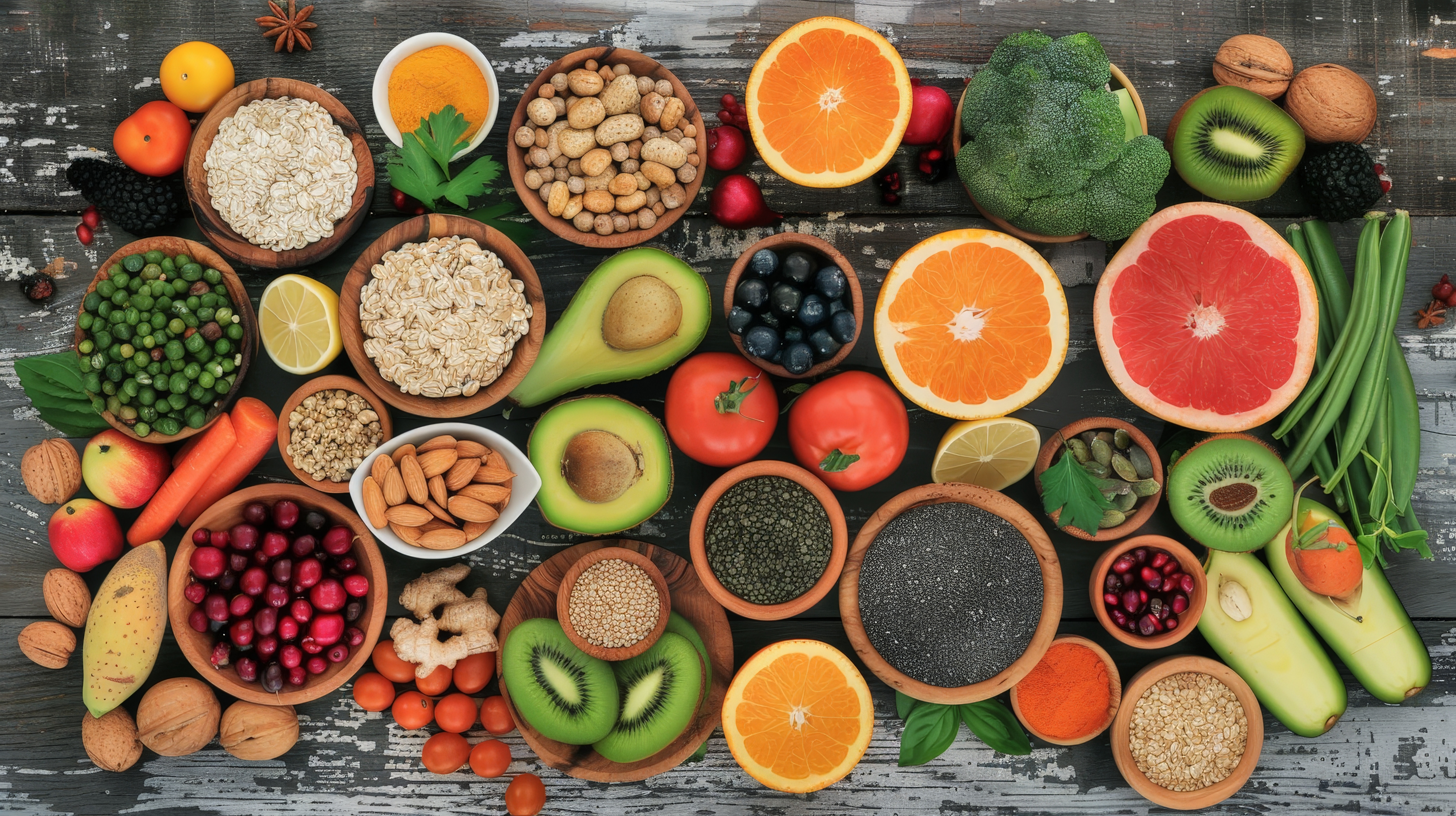
Fibre's vital role in health
Whilst fibre isn’t a nutrient, it’s still an important part of healthy eating, as it’s linked to lower risks of heart disease, type 2 diabetes and bowel cancer, and general digestive wellbeing.
Do you need help? We’ve got your back.
If you need support with money, your mental health, or anything else - we've got your back.


More on nutrition

Understand protein's vital role in keeping you healthy
From helping to manage weight, to supporting immunity and hormones, understand the importance of protein in your diet

Fibre's quiet role in healthy eating
Fibre is important for your health, but most people aren't getting enough.

Are fats bad for you?
Learn which fats are good for your health and which ones to avoid

How to eat well on a budget
Lots of people are concerned about the rising cost of their weekly food shop, and are looking at ways they might be able to save money, while still eating well. We've put together some tips to help
Food can fuel sleep
Did you know that what you eat and drink can also impact how you sleep? Find out more

Food for sport
Top tips to ensure you're ready, prepared, and fuelled to take on any sport or activity you like and perform at your best!

Daily diet habits for good health
What we choose to put on the end of our fork has a huge impact on how we look, feel and how resilient we are. So, let food be your medicine and look after your body by following these simple tips…

Healthy snacks on the go
We all lead busy lives and sometimes when we’re out on the road or in between jobs and chores, we need a quick pick-me-up to keep us going until our next meal. Here are some of our top healthy snacks you can enjoy on the go

Tasty & healthy 100 calorie snacks
Eating healthily doesn’t mean the only snacks you can have are plain Ryvitas or sticks of celery! Here are some of our favourite snacks you can easily make at home that are not only tasty, but are also healthy at 100 calories or less. Win win!

Keeping hydrated
Your body is mostly made up of water – nearly two thirds – so it’s important to keep hydrated. Here are our top tips to stay hydrated